
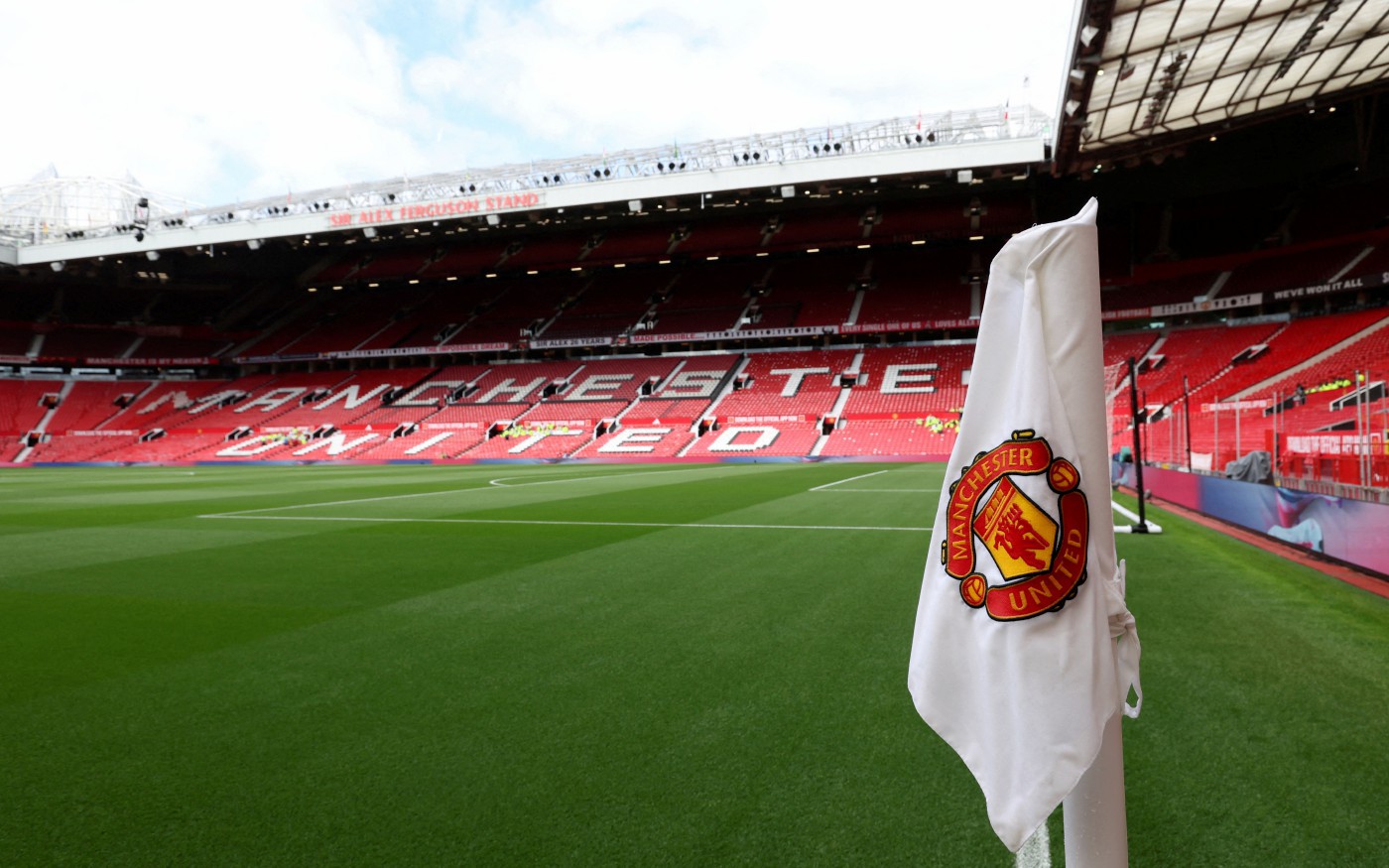
Manchester United have generated more money than ever before, yet the club is still losing money. The latest financial results show the scale of the problem clearly: United recorded a record £677.6 million in revenue for the 2025/26 financial year but still posted a £43 million loss, extending their run to seven consecutive annual losses.
The figures, released on September 23, show the strange financial picture surrounding one of football’s biggest clubs. Revenue increased from £666.5 million the previous year, while adjusted EBITDA reached a record £216.4 million. Yet after finance costs, amortisation and other expenses, United ended the year £43 million in the red, compared with a £33 million loss in 2024/25.
Read more: Top 5 Goal Scorers in Serie A History
Why Is Manchester United Still Losing Money?
The biggest issue is that strong revenue does not automatically translate into a final profit. United’s operating performance actually improved considerably. The club recorded an operating profit of £22.6 million, compared with an £18.4 million operating loss the previous year. Operating expenses also fell by 4.3% to £701.9 million as the club continued its cost-cutting programme.
However, the money being spent elsewhere in the business continued to weigh heavily on the final result. Net finance costs jumped from £21.2 million to £69.6 million, while player amortisation remained above £200 million. The result was a £47 million loss before tax and a final loss of £43 million after a £4 million tax credit. That distinction matters because United is not struggling to generate revenue. Their problem is turning that revenue into sustainable profit after the costs associated with running and rebuilding the football club.
How Much Debt Does Manchester United Have?
The debt problem remains another major part of the financial picture. At June 30, 2026, United’s balance sheet showed £577.6 million in non-current borrowings and another £111.4 million in current borrowings. That puts total borrowings at roughly £689 million before considering other liabilities and the club’s cash position. United had £67.2 million in cash at the end of the financial year. The club also paid £38.8 million in interest during the year. Finance costs became particularly important after United issued $550 million of new senior secured notes in June 2026, with the debt scheduled to mature in 2031.
That is why describing United’s situation simply as a lack of revenue would miss the bigger picture. The club is generating hundreds of millions of pounds, but financing costs, player investment, and other expenses continue to absorb a substantial part of that income.
Also read: Sadio Mane Is Giving It Back To His People
Did Cost Cutting Actually Help United?
There are signs that the cost-cutting programme is having an effect. Employee benefit expenses fell by £11.2 million during the year, while other operating expenses dropped by another £11.2 million. United also reported a record adjusted EBITDA of £216.4 million, up from £182.8 million the previous year.
Those numbers show that the club’s underlying business operation has improved even though the final loss widened. The changes have come alongside significant restructuring under minority shareholder and football operations chief Sir Jim Ratcliffe. United has reduced staff numbers, changed internal operations, and increased some ticket prices as part of the wider attempt to make the club financially sustainable. Reuters reported that these measures have helped improve operating performance, although they have not yet eliminated the annual loss.
Can Champions League Football Change The Picture?
There is one major financial boost United can now count on: Champions League football has returned to Old Trafford. United finished third in the 2025/26 Premier League and secured a place in Europe’s top competition for the 2026/27 season. The club’s broadcasting revenue had already risen 19.6% to £206.8 million during the latest financial year, despite United not playing in European competition. The return to the Champions League should provide additional broadcasting, matchday, and commercial opportunities, although the exact benefit will depend on how far United progresses.
The club is also moving ahead with plans for a new 100,000 seat stadium after securing the land required for the project. That represents another enormous long-term investment, meaning United’s finances are unlikely to become simple overnight. For now, the numbers tell a complicated story. Manchester United have record revenue, improved operating performance, and a stronger EBITDA figure, but they are still reporting a £43 million annual loss and carrying substantial borrowings.
The next financial year will therefore be important. With Champions League football back, a revamped squad, and continued cost-cutting, United now have another opportunity to convert their enormous commercial strength into actual profitability. Can Manchester United finally end their seven-year run of annual losses?
Explore: The Top 5 Most Successful Clubs in UEFA Champions League History
[…] Also read: Manchester United Continues To Be In The Red […]