
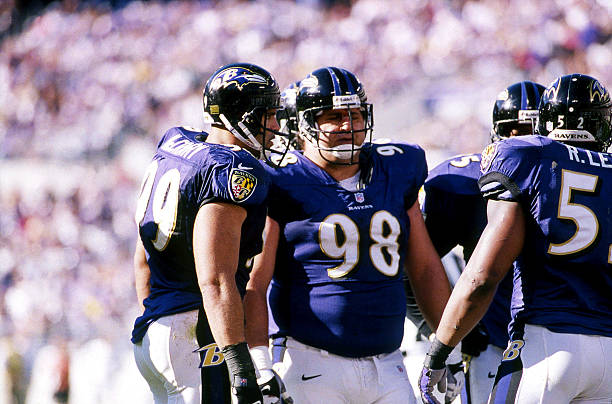
Defense wins championships is a cliché for a reason, and a few units this century were so good that they defined their seasons. “Most dominant” is a judgment call, so this list uses points allowed, rankings and playoff results as a guide. Here are the best, in rough order.
- 2000 Baltimore Ravens. They allowed 165 points, still the NFL record for a 16-game season, or 10.3 per game, and gave up just 970 rushing yards, another record. In four playoff games, they allowed 23 points, seven of them from a kick-return touchdown, and won Super Bowl XXXV 34-7 over the Giants, with Ray Lewis as MVP.
- 2002 Tampa Bay Buccaneers. They allowed 196 points (12.3 per game) and led the league in total defense, points allowed and interceptions, the first team to do that since the 1985 Bears. The unit, built around Warren Sapp, Derrick Brooks, John Lynch and Ronde Barber, won the Super Bowl.
- 2013 Seattle Seahawks. The Legion of Boom allowed 231 points (14.4 per game) and led the NFL in points allowed, yards allowed and takeaways with 39. Seattle then beat Peyton Manning’s Broncos 43-8 in Super Bowl XLVIII. The Seahawks led the league in scoring defense four straight years, from 2012 to 2015.
- 2008 Pittsburgh Steelers. They led the league in total defense and points allowed, with a unit led by James Harrison and Troy Polamalu, and won Super Bowl XLIII.
- 2015 Denver Broncos. The “No Fly Zone” allowed 296 points, with league-leading marks of 3.3 yards per rush and 4.4 yards per play, and carried an aging Peyton Manning to a Super Bowl 50 win.
A Current Contender
Seattle’s current defense is also drawing attention. The Seahawks held the Chiefs to three points this season, and Bears quarterback Caleb Williams called them the best defense in football, as we noted in our look at Williams and the Bears. Whether it joins this list depends on how the season ends.
Rankings vary by outlet, and some lists also feature the 2006 Bears or recent Eagles and Ravens defenses. Points allowed depend on the era’s scoring environment, so comparisons are never exact.
Sources: Wikipedia (2000 Ravens), Wikipedia (2002 Buccaneers), Legends, Bleacher Report, The Quick Report.