
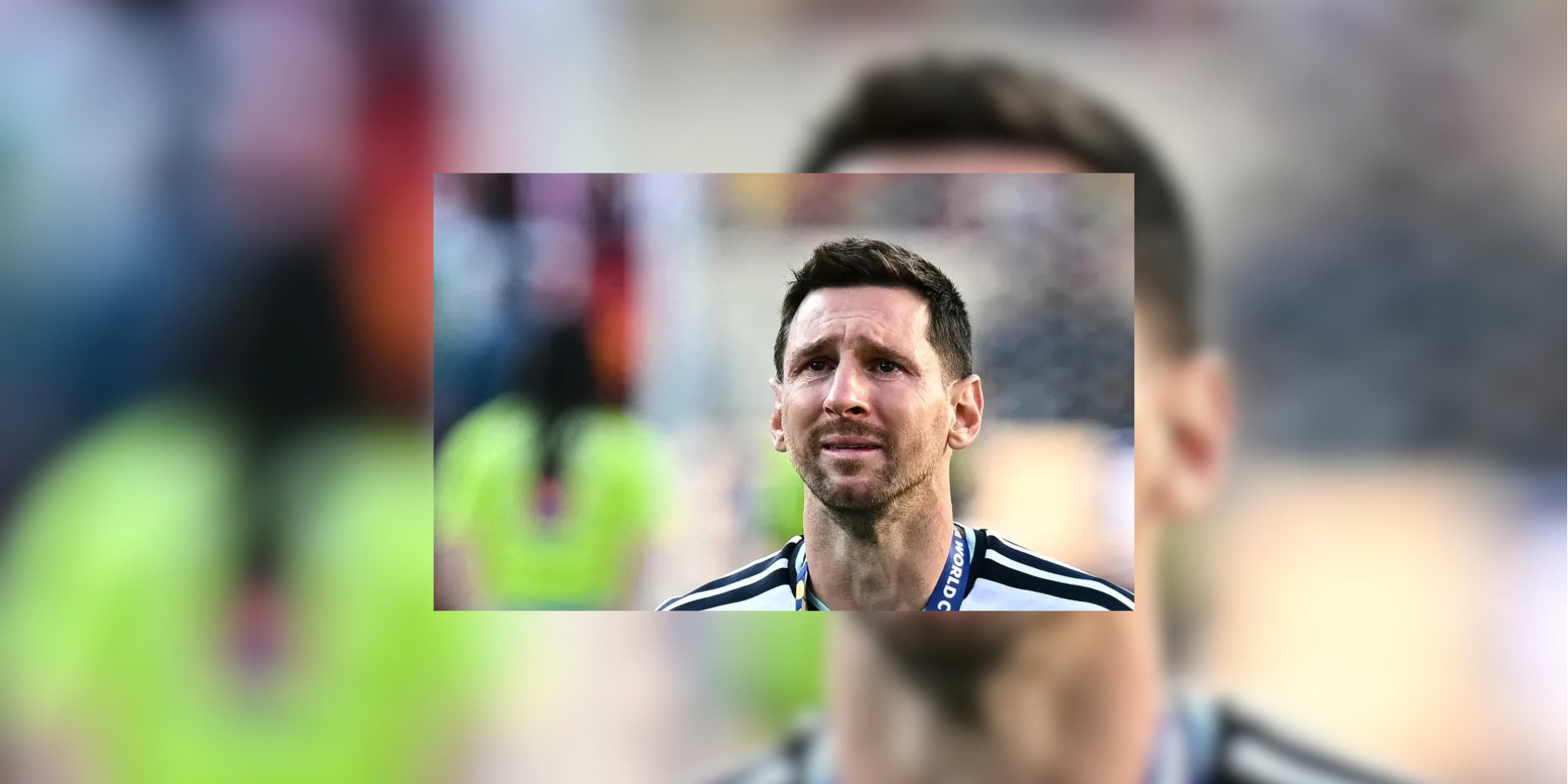
Lionel Messi has retired from international football after 208 Argentina appearances. Here is what comes next for Argentina, from its new captain to the players who could replace Messi’s influence.
For the first time in more than a decade, Argentina will move forward without Lionel Messi as part of its plans for the national team. Messi played his final international match on October 6, scoring a penalty and providing two assists as Argentina defeated Benin 3-0 at the Monumental Stadium in Buenos Aires. He finished his 21-year international career with 208 appearances and 126 goals, both Argentina records.
Messi’s departure does not mean Argentina’s successful era is over. The team still has Lionel Scaloni as coach, a strong group of established players, and several younger talents emerging through the squad. The bigger challenge will be replacing the different roles Messi performed rather than finding one player who can simply take his place.
Read more: Jude Bellingham: A Legend in the Making
Who Will Be Argentina’s New Captain?
Cristian Romero will take over as Argentina’s primary captain after Messi’s retirement. Scaloni confirmed before the October international window that Romero would inherit the armband, with Emiliano Martínez and Lautaro Martínez next in the leadership hierarchy. Romero represents a different type of leadership from Messi. While Messi led primarily through his influence on the pitch and years of experience, Romero brings a more vocal presence from the centre of the defence.
The change is also part of a wider transition. Nicolás Otamendi, who previously ranked behind Messi in the captaincy order, has also ended his international career after the Benin match. Argentina therefore needs to establish a new leadership group around Romero, Martínez, and its younger players.
Who Can Replace Messi’s Creativity?
There is no obvious one-for-one replacement for Messi, and Argentina is unlikely to approach the problem that way. Messi combined playmaking, ball progression, dribbling, chance creation, and goal-scoring responsibilities. Those duties could instead be divided among several players.
Nico Paz, Thiago Almada, and Franco Mastantuono are among the younger attacking players who could take on more creative responsibility. Julián Álvarez and Lautaro Martínez can continue to provide goals, while players such as Enzo Fernández and Alexis Mac Allister can influence games from deeper positions. Argentina therefore has several options, but none has yet established the ability to control matches in the way Messi regularly did.
What Happens to Argentina’s No. 10 Shirt?
The captaincy has already been decided, but the future of the No. 10 shirt remains less clear. Messi wore the number throughout his senior Argentina career and turned it into one of the most recognisable shirts in international football. Scaloni had previously confirmed that he had not decided who would inherit it. Nico Paz and Mastantuono are among the younger players who could eventually become leading candidates, while more experienced players such as Almada, Mac Allister, and Fernández could also play important roles in the next cycle. The decision will matter symbolically, but Argentina’s priority will be finding a tactical structure that does not depend on one player carrying its creative burden.
What Could Argentina Look Like by 2030?
The next World Cup cycle gives Scaloni an opportunity to gradually reshape the squad rather than immediately replace an entire generation. Argentina has already begun introducing younger players into the setup, while established figures remain available to provide experience. The balance between those groups will be important as the team prepares for the 2030 World Cup.
The biggest tactical question is how much Argentina changes without Messi. Scaloni could retain the principles that have brought success while spreading Messi’s former responsibilities across several players or gradually build a system designed around the strengths of the next generation. Either way, Argentina does not need another Messi to remain competitive. It needs several players to collectively replace what Messi contributed in different areas of the game.
Messi Has Retired From Argentina, Not Football
Messi’s international retirement also needs to be separated from his club career. He remains an active professional with Inter Miami, where his contract runs through the end of the 2028 MLS season. That means Argentina’s players and supporters will still see Messi playing at club level, even though he will no longer be part of the national team setup. The difficult part for Argentina is now accepting that the player who defined its football for more than a decade will no longer be available when the next major tournament arrives.
Cristian Romero has the armband, Scaloni has a new generation to develop, and Argentina has several players capable of taking on larger roles. The question is whether those pieces can combine to create a team that feels like Argentina without relying on the player who shaped its modern identity. Who do you think should become Argentina’s next attacking leader after Lionel Messi?
Explore: The Top 5 Most Successful Clubs in UEFA Champions League History
[…] Read More: What Comes Next for Argentina After Lionel Messi’s International Retirement? […]