
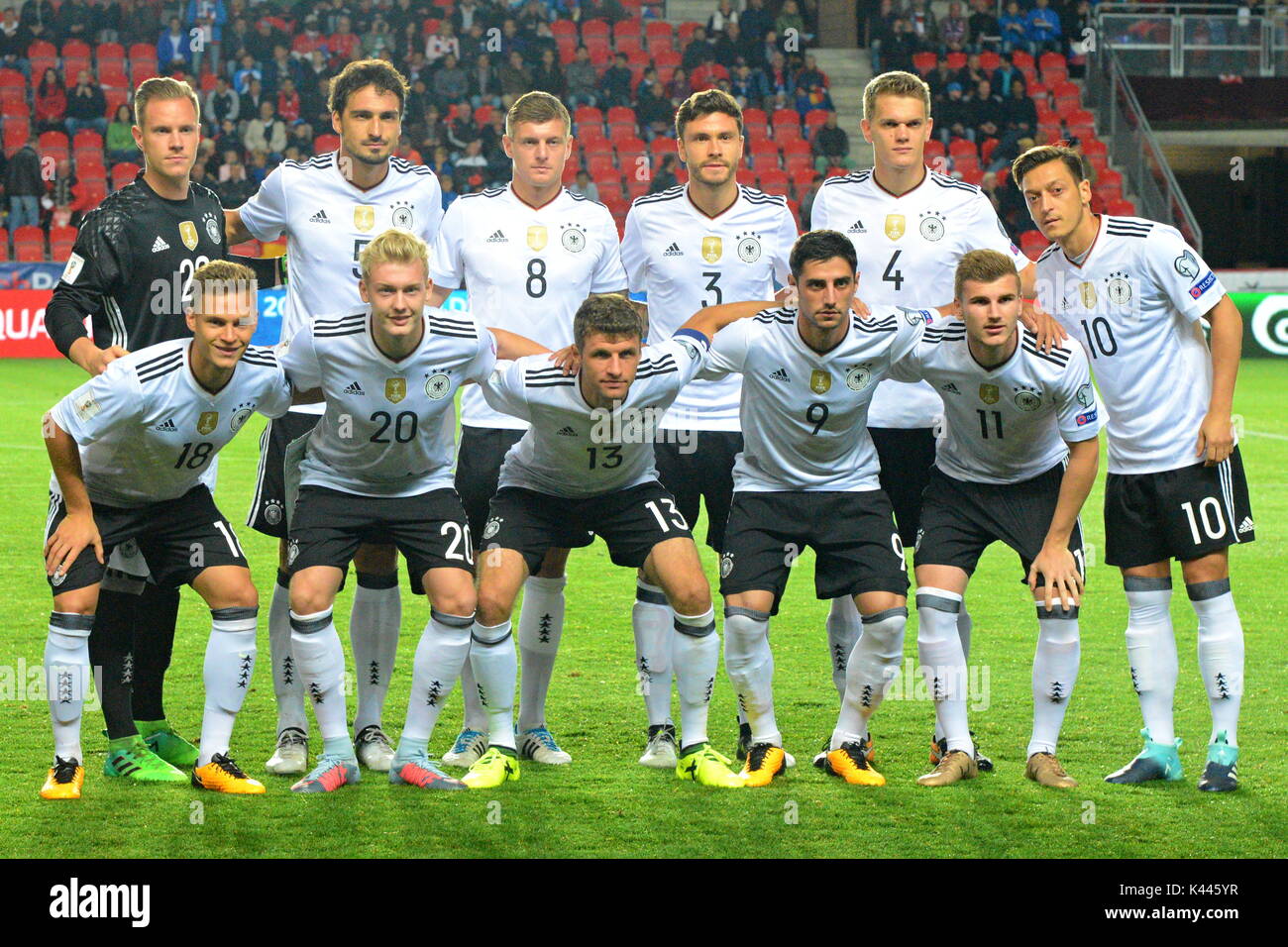
Germany’s difficult start under Jürgen Klopp has raised questions about their status among Europe’s leading teams. Can the new coach rebuild the national side?
Germany’s reputation still carries the weight of four World Cup titles, but their latest results have raised an uncomfortable question: where does the national team stand among Europe’s leading sides? Jürgen Klopp’s first two matches in charge have offered little clarity. Germany opened their Nations League campaign with a 1-1 draw against the Netherlands before suffering a 1-0 home defeat to Greece in Augsburg. The loss was Germany’s first against Greece in their history after 10 previous meetings without defeat.
The results have also prompted criticism from one of Germany’s most recognisable former players. Bastian Schweinsteiger described the current team as no longer being an elite side and questioned whether it has enough players capable of making the difference at the highest level. His comments came after the defeat to Greece and represent an assessment rather than an established fact about Germany’s standing.
Also read: “I Have Lost My Peace”: Vozinha, The Cape Verdean Star
Why Is Germany’s Current Form Concerning?
The numbers tell part of the story. Germany’s recent run includes a 2-1 defeat to Ecuador and a penalty shootout elimination against Paraguay at the 2026 World Cup, followed by the draw with the Netherlands and defeat to Greece. UEFA’s current form guide lists Germany’s last five competitive results as two wins, one draw, and two defeats.
The bigger concern is that some of the problems from the previous era have not disappeared with the arrival of Klopp. Against the Netherlands, Germany showed encouraging signs. They pressed aggressively, won the ball back quickly and created a positive first impression under their new manager. Felix Nmecha gave them the lead in the 32nd minute, only for Cody Gakpo to equalise in stoppage time.
The Greece match was different. Germany struggled to break down a compact defence and eventually conceded to Dimitrios Kourbelis in the 74th minute. Klopp admitted afterwards that his team had not defended effectively enough and that he could not accept losing a match in that manner.
Read more: The Swiss Keep Winning Without Xhaka And Embolo
Does Germany Still Have Enough Quality?
It would be difficult to describe Germany as lacking talent altogether. Florian Wirtz remains one of the most technically gifted young players in European football, while Jamal Musiala, Joshua Kimmich, and several other established internationals provide Klopp with a strong group of options. However, the composition of the squad is changing. Manuel Neuer is no longer Germany’s first-choice goalkeeper, while the team is also attempting to integrate younger players into a side that has struggled for consistency in recent major tournaments.
Klopp has already indicated that rebuilding the squad will take time. Before his first match, the former Liverpool manager refused to promise immediate silverware and instead spoke about developing the team and preparing it for Euro 2028. That process has become even more complicated because injuries have affected the squad. Kai Havertz left the latest camp with a muscle strain after playing against the Netherlands, while Jamal Musiala was also unavailable.
What Is Klopp Trying To Change?
Klopp’s first Germany team has already shown traces of the football associated with his coaching career. The Netherlands match featured aggressive pressing and an emphasis on winning possession quickly. Germany also played with considerable intensity in Amsterdam and was close to securing a victory before Gakpo’s late equaliser. The Greece defeat, however, exposed the difficulty of applying that approach against a team willing to defend deep.
Klopp rotated five players from the Netherlands match, with Alexander Nübel replacing Marc-André ter Stegen in goal and Yann Bisseck coming into defence. He has also spoken about using different groups of players during this international window as he evaluates his options. That experimentation could explain some of the inconsistency, but Germany’s Nations League position means there is limited room for prolonged trial and error.
Can Germany Move Beyond The “Average” Label?
Germany are now five points behind group leaders Greece after two matches, according to analysis from German broadcaster Sportschau. They face Serbia next on October 1 before travelling to Greece three days later. Those matches will provide Klopp with another opportunity to assess his squad and, more importantly, establish whether the positive signs from his first match can be turned into consistent performances.
Schweinsteiger’s “average” assessment reflects the frustration surrounding Germany, but Klopp’s project is still in its earliest stages. Two Nations League matches cannot define the quality or long-term direction of a national team undergoing a significant transition. What Germany does over the next few international windows will provide a much clearer answer. Can Jürgen Klopp turn Germany’s promising individuals into a team capable of competing consistently with Europe’s elite?
Explore: The Top 5 Most Successful Clubs in UEFA Champions League History
[…] Read on: Is Germany Just An Average Team? […]
[…] Read more: Is Germany Just An Average Team? […]
[…] Read more: Is Germany Just An Average Team? […]