
What Is the Over-38 Rule?
The NBA has a rule called the over-38 rule. This rule limits how long a team can offer a contract extension to a player who would turn 38 years old during that extension. If a player were 38 or older at any point during the new deal, the team could only offer a two-year extension. This rule has affected several big-name stars in recent years.
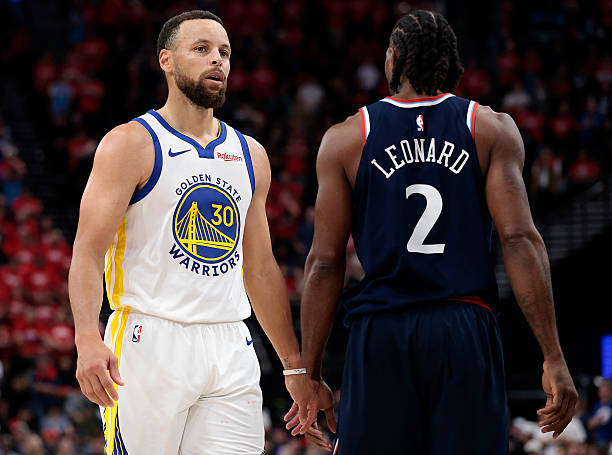
Stephen Curry, Kawhi Leonard, Kevin Durant, and James Harden have all been impacted by it. All four players are among the best of their generation. They were born between 1988 and 1991. Even now, they are still playing at a high level. But because of the over-38 rule, they have all signed similar two-year deals with player options in the final season.
Why Player Options Matter
All four of these deals have player options in the final year. This is important. Even though these players will be close to 40 years old, the player option gives them flexibility. For the team, this is actually a good thing.
Here is why. If the player is still playing well, he can opt out and sign a new deal. If the player is slowing down, the team and player can work together on a new contract that pays less money per year but stretches over more years. This helps the team manage its salary cap. It also helps the player stay on the roster instead of being cut. The over-38 rule exists to prevent teams from using this strategy in ways that are too extreme.
James Harden’s Unique Deal
James Harden’s deal with the Cleveland Cavaliers is the most complicated of the four. Harden was set to make $42 million in 2026-27. But he opted out of that deal. Then he re-signed for $29.9 million per year over three years. That adds up to $97 million. Why would he take less money? The answer is that it helped the Cavaliers make other moves.
Cleveland needed time to complete a sign-and-trade deal for Peyton Watson. That deal did not happen until late August. The $97 million over three years matches what Harden would have made if he had stayed at $42 million for one more year and then added another year with a raise. The only difference is that the money is spread over three years instead of two.
Read More: Who is the NBA GOAT: The Debate Explained
Kevin Durant’s Deal in Houston
Kevin Durant signed a two-year, $90 million extension with the Houston Rockets. He could have signed for the maximum of $120 million. But he took $30 million less. That decision gave the Rockets more room to sign other players. This offseason, the extra money allowed Houston to sign Marcus Smart. It also helped the Rockets stay below the first apron. That is important for teams that want to make trades.
Durant’s deal also helps the Rockets avoid the luxury tax this season. That will be useful when Amen Thompson’s big extension kicks in next year. Durant can opt out of his $46 million contract for 2027-28 after this season. He will likely do that to give the Rockets more flexibility. If he signs a new three-year deal, he will be playing past his 41st birthday.
Kawhi Leonard’s Deal in Toronto
Kawhi Leonard signed a two-year, $115 million extension with the Toronto Raptors. He is the youngest of the four players, but he has also been the most injury-prone. That makes this deal a risk for the Raptors. But Leonard took the smallest pay cut of the group. He signed for $10 million less than his maximum over the next two seasons.
But paying him $56 million per year will make the Raptors one of the most expensive teams in the NBA. Leonard cannot extend this deal again before his player option in 2028-29. So he will likely opt out after this season. The Raptors and Leonard will probably work out a new deal that helps the team manage its salary cap.
Stephen Curry’s Deal with the Warrior
Stephen Curry signed a two-year, $116 million extension with the Golden State Warriors. This was the most recent deal and also the most interesting one. Curry could have waited until after the season to sign a three-year deal. But he chose the two-year extension instead. Curry has more leverage than the other players because he is a franchise legend. He has turned the Warriors into one of the most valuable teams in the NBA.
Like the others, Stephen Curry cannot extend this deal again before his opt-out in 2028. In two years, he will likely opt out and sign a new deal that lets him finish his career with the Warriors. Stephen Curry took about $10 million less than his maximum in each of the two seasons. That discount is all about the tax aprons. Staying under the first apron would give the Warriors more flexibility to add talent. Those options disappear for teams over the apron.
[…] Explore: Why Did Stephen Curry, Kawhi Leonard, and Other Stars Sign Two-Year Deals? […]