
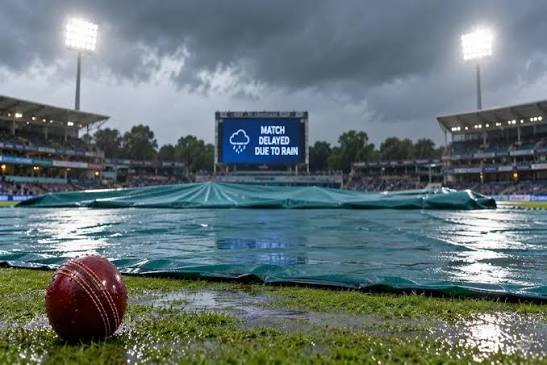
Rain can interrupt a limited-overs cricket match, and when it does, the Duckworth-Lewis-Stern method, known as DLS, decides what the fair target should be. Here is a simple explanation of how it works.
What is the DLS method?
DLS is a mathematical method that calculates par scores and revised targets in rain-affected matches. It was devised by statisticians Frank Duckworth and Tony Lewis, and Professor Steven Stern became its custodian after they retired. The method was renamed Duckworth-Lewis-Stern in November 2014.
The idea of resources
DLS is built on the idea that a batting team has two resources: overs remaining and wickets in hand. At the start of a 50-over innings a team has 50 overs and 10 wickets. A team with many overs and wickets left has more scoring potential than a team that has lost most of its wickets.
The basic calculation
When the team batting first finishes, the chasing team’s par score is worked out from the first team’s score and the resources each side has used. In simple terms, the par score equals the first team’s score multiplied by the second team’s resources, divided by the first team’s resources. The official target is the par score plus one run.
Par score and target
A par score is calculated during a match and changes as wickets fall, while a target is a single fixed number set after an interruption. The par score tells you which team would be ahead if play stopped at that moment. Because teams can see the par score during a chase, they can adjust their scoring rate as wickets fall and overs run out.
Why DLS is used
Without a method such as DLS, a rain-shortened chase would have no fair target. The ICC prefers the method, and it is used in most international limited-overs matches. Critics argue that it is hard to understand, because the full calculation relies on software.
A quick example
Imagine a team scores 250 in 50 overs. If rain cuts the chasing team to a shorter innings, the target is lowered in line with the reduced resources. This is only an illustration, and the real figure comes from the official DLS software. Fans can follow the par score on broadcasts and on the official cricket apps during a rain-affected chase.
For more match coverage, visit our Cricket section.