
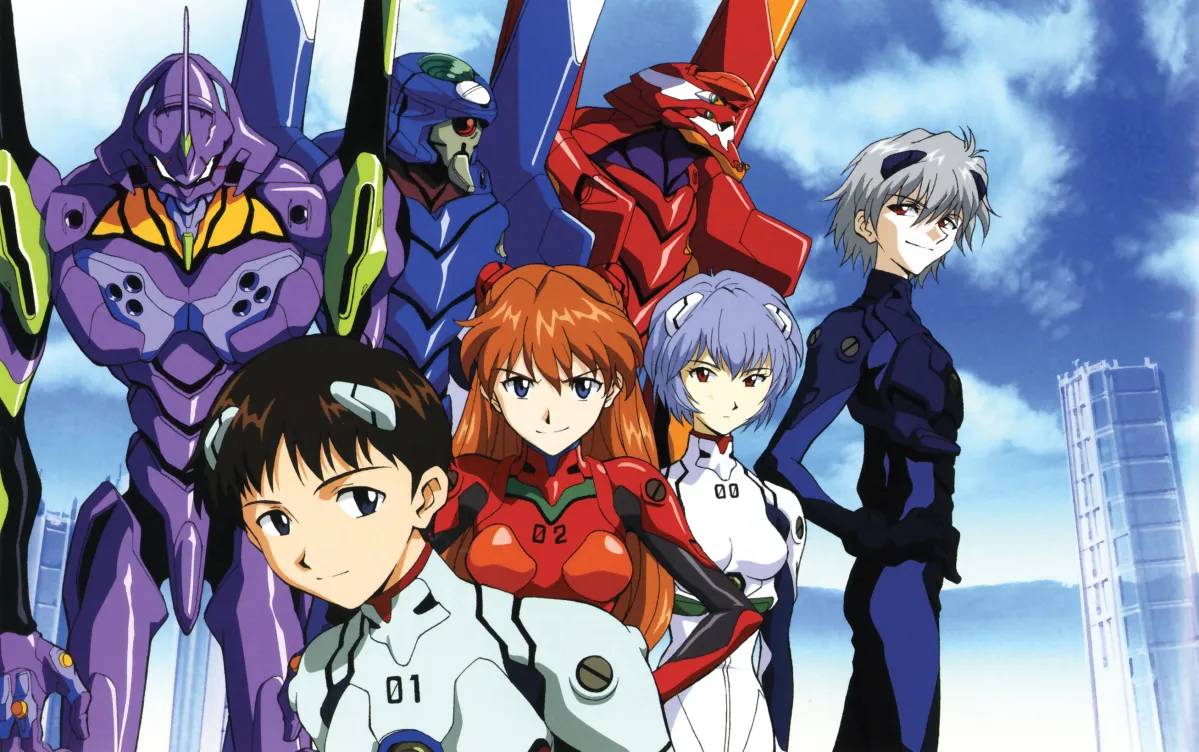
Neon Genesis Evangelion first aired in 1995, yet new viewers still describe it as disturbing. It looks like a giant robot show, but it is far more interested in what lives inside its characters. That mismatch is the main reason it unsettles people.
A Mecha Show That Turns Inward
The series aired on TV Tokyo from October 1995 to March 1996, with 26 episodes written and directed by Hideaki Anno at studio Gainax. Teenagers pilot giant machines to fight monstrous Angels, but the drama keeps returning to loneliness, avoidance and the struggle to connect with other people.
Characters Who Feel Uncomfortably Real
Shinji, Rei and Asuka are not heroic ideals. They are damaged young people who hurt each other while trying to be understood. Reviewers note that the show draws on psychological ideas associated with Freud and Jung, yet it presents them as personal experience rather than lecture. Viewers often recognise their own insecurities, which is not a comfortable feeling.
The Creator’s Own Struggle
Anno has said he went through severe depression while making the series, and critics widely read that experience into its later episodes. The result is a story that feels confessional. As it progresses, the style becomes more abstract and abrasive, stripping away the action that the early episodes promised.
An Ending That Divided Fans
The final two episodes abandon conventional storytelling. Many fans and critics wanted a clearer ending, and Anno responded with the 1997 film The End of Evangelion, a harsher and more explicit finale. Later, the Rebuild film series reimagined the story and concluded with Thrice Upon a Time in 2021.
Why It Still Feels Current
One recent review argues the series barely feels like a relic, because its themes of isolation and fear of closeness have become more recognisable over time. It is messy and polarising, but that unease is also why people keep recommending it.
A note for new viewers: the series deals with depression and trauma, and it can be heavy. It streams on Netflix.